Belgravia Man and Van for local and cross-London moving

Belgravia Man and Van provides practical moving support in Belgravia for customers who need a careful man and van service rather than a full-scale removal crew. The work is suited to smaller household moves, single items, awkward furniture, student contents, and light commercial loads that still need proper handling. We focus on organised loading, sensible route planning and steady transport, so items can be moved with less disruption and with attention to access, timing and protection.
Our service is built around useful choices, not unnecessary extras. Some moves need only a vehicle and one pair of hands; others need more help with lifting, carrying and arranging the load so it travels securely. Where packing support is required, it can sit alongside the moving job instead of being treated as a separate, complicated process. Clear preparation makes the day smoother, but the main aim remains straightforward: move belongings safely, efficiently and in the right order for the route and property involved.
For a suitable next step, review the moving options, compare the type of load you need to shift and request a quotation when you are ready.
Home moves, single items and flexible transport
Our home-moving work is designed for customers who do not necessarily need a large removals team, yet still want proper care with everyday household contents. That can include boxes, bags, kitchen items, personal belongings, small furnishings and items that are too heavy or cumbersome to move alone. A man and van arrangement can suit a short local journey just as well as a longer collection or drop-off, provided the load is described clearly and the access at each end is understood.
It also suits one-off item transport. A wardrobe, a sofa, several office chairs or a few pieces from a sale can often be moved without the cost or complexity of a full removal service. The useful point is matching the vehicle and lifting support to the actual job. If a sofa needs dismantling before it will pass through a doorway, or if a table has fragile legs, the plan should reflect that so the move is handled in a practical way.
Where a customer is comparing options, it helps to think in terms of volume, access and handling rather than only the distance travelled. A small load with difficult stairs may need more attention than a larger load with straightforward access. The best result comes from pairing the right vehicle size with the right level of manual help, which keeps the process efficient without overcomplicating it. If you are unsure what level of support is appropriate, a brief description of the items usually gives enough context to prepare a sensible quotation.
House removals and larger domestic moves

When the move is larger, our house removals work offers a fuller domestic service while still keeping the process manageable. This can suit flats, townhouses and smaller family homes where the customer wants assistance with loading, transport and unloading, but does not need a highly complex relocation package. The focus remains on safe movement of furniture, boxes and household contents, with attention to access points, protected items and a sensible sequence for the day.
The difference between a light man and van move and a fuller house removal often comes down to scale and handling demands. More rooms usually mean more sorting, more bulky items and more care when loading so that fragile belongings are not crushed beneath heavier ones. The service can also be useful where there is a need to move steadily through a property, taking larger items first and then filling the remaining space with boxes and smaller goods. This approach reduces wasted movement and supports better use of the vehicle.
If you are planning a house move, it is worth listing the principal items and noting anything that needs special handling, such as mirrors, glass tops or awkward stair turns. Photos can help when the layout is tight, but a written summary is often enough for a first look at the job. For a more precise figure, see pricing and quotes and ask for an estimate based on the move you need.
Packing, access and protecting your belongings
Practical preparation that supports the move
 Packing and handling are often the parts of a move that make the greatest difference to how smoothly the day runs. Our packing and unpacking support can help when customers want assistance with boxes, wrapping and organising items before transport, or when they want help settling goods into the correct rooms at the other end. Careful packing reduces movement inside boxes and gives breakable items a better chance of arriving in the same condition they were collected in.
It also matters how the property is accessed. Narrow halls, upper-floor flats, parking limits and long carries can change the practical shape of the job, even when the load itself is modest. That is why an accurate description is useful: it helps set the right vehicle, the likely amount of lifting and the time needed to complete the work safely. Where access is straightforward, the job can often be completed more simply; where access is tight, the plan needs to be more careful from the outset.
Before you request a quotation, it is useful to gather a short inventory of the larger items and to note any pieces that cannot be stacked with others. You do not need a full survey for every move, but the more clearly the load is described, the more useful the quotation will be. When you are ready to talk through the practical details, contact us with the basics of the move and we can help shape the right service.
Loading order, safe lifting and sensible protection
Office removals and commercial transport
Our office removals work is aimed at businesses that need a controlled move of desks, chairs, boxes, IT items and other workplace contents. A commercial move often requires a tidier process than a simple domestic collection because items may need to be grouped by room, department or function. Good loading order matters here, as does keeping the work organised so that the destination can be set up in a more usable way once the vehicle is unloaded.
For smaller companies, the man and van format can be especially practical. It is suitable for moving a few workstations, archive boxes, display items or stock between premises without arranging a large removal operation. The approach can also suit short-notice transport of surplus furniture or equipment that needs to be collected and taken to another location. Because business contents vary so much, the quotation should reflect the actual mix of items rather than relying on a generic description.
Where a workplace move is being planned alongside ongoing trading, timing and order are often the important decisions. The aim is to reduce disruption while keeping the move realistic for the building, the load and the people involved. If you want to compare commercial moving options, explore office removals alongside the rest of the available moving services and decide what best fits your schedule.
Furniture pick-up and one-off collections

Furniture pick-up is one of the most useful parts of a man and van service because it handles the awkward jobs that are too large for a car but do not justify a full removals team. This can include items bought second-hand, pieces collected from a retailer or furniture being delivered to another home, office or storage point. The key benefit is that the item can be carried, secured and transported without the customer needing to borrow a vehicle or handle heavy lifting alone.
Different pieces need different handling. Flat-pack items are straightforward when boxed, but assembled furniture may need padding, lifting straps or a plan for taking it through narrow internal routes. Heavy items such as wardrobes, cabinets or beds can often be moved efficiently if the access is checked in advance and the job is described clearly. In some cases, dismantling may help, but it should only be done where it is genuinely useful and agreed in the plan for the move.
For customers who are choosing between transport-only support and a fuller moving service, the most sensible question is what needs to happen at each end. A simple collection may only require lifting and delivery; a more involved job may also need positioning inside the property. If you want to compare related moving options, see furniture pick-up and use that alongside the other pages when preparing your enquiry.
Vehicle choices and the way the load travels
A good man and van service depends on the right vehicle as much as the right handling. A smaller load can travel neatly in a van without unnecessary empty space, while a fuller move may need a larger vehicle or a more carefully arranged load plan so that boxes and furniture remain stable in transit. The point is not to fill space for its own sake, but to place the items so they can be secured and unloaded in a useful order at the destination.
Vehicle choice also affects the job on the ground. If access is tight or parking is limited, a more compact solution can be easier to manage, provided it still suits the volume being moved. On the other hand, a move with several bulky items may be better served by a vehicle that can take them in fewer trips. That balance is why a quotation is more accurate when based on the type of load, the collection and delivery points, and any difficulties with access or carrying distance.
If you are comparing the wider range of moving support, read about the moving van option and consider whether the job is best treated as a light collection, a domestic move or a more substantial relocation. A short enquiry with the basics usually gives enough information to steer the choice properly.
Price factors, quotations and planning the work
 The quotation for a man and van move usually depends on a small set of practical factors: the amount to be moved, the access at each location, the distance involved and whether additional handling is needed. If the job involves stairs, parking constraints, dismantling or multiple stops, that should be reflected in the estimate. It is better to describe the actual task clearly than to try to fit it into a generic category, because the right price follows from the real shape of the work.
When preparing a quote request, it helps to keep the information simple and focused. A short inventory of larger items, the collection and delivery areas, and any time constraints will usually be enough to start. If there are delicate pieces, shared entrances or restricted loading arrangements, those details are worth mentioning too. This does not need to become a long process: the aim is simply to make the move clear enough that the service can be planned properly and priced on a fair basis.
If you are ready to move forward, request a quotation and give the main details of the job. For a fuller look at moving options and commercial support, view removal services and choose the route that best fits the size and nature of your move.
About Belgravia
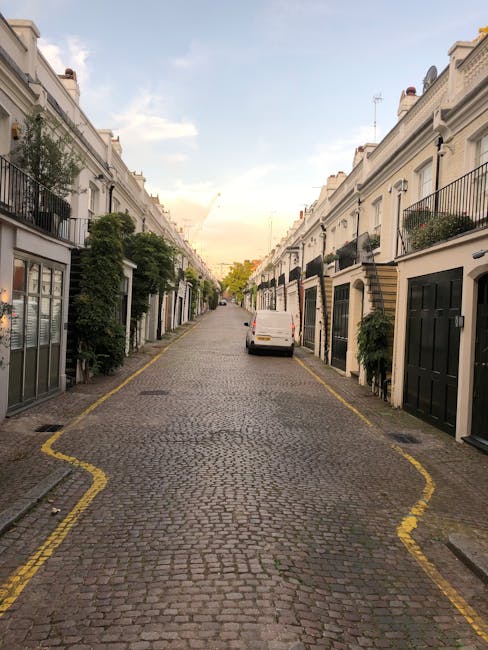
Belgravia is one of central London’s most recognisable neighbourhoods, laid out in the nineteenth century on land associated with the Grosvenor estate and shaped by planned terraces, garden squares and formal streets. Much of its character comes from the restrained white stucco frontages, consistent rooflines and carefully arranged squares that give the district a highly ordered appearance. Eaton Square, Chester Square and Belgrave Square are among the best-known names linked with the area’s historic development, while the surrounding streets retain a strong sense of architectural continuity. The neighbourhood sits close to the boundary with Knightsbridge, Chelsea, Pimlico and Westminster, which places it within an important part of the West End’s broader pattern of Georgian and Victorian urban growth. Its streets often feel quieter than the busier commercial districts nearby, yet they remain closely connected to central transport routes and the civic life of the city. Beyond the terraces and mansion blocks, there are churches, embassies, small gardens and refined public spaces that contribute to the area’s identity. Belgravia is defined as much by its layout as by any single landmark: the measured scale of its buildings, the sequence of its squares and the long-term preservation of its streetscape all play a role in making it distinctive. That combination of architecture, planning and central location has helped the neighbourhood retain a clear identity within London’s historic core.
Household removals with steady, organised handling
For many customers, the most important thing in a move is not grandeur or scale but reliability in the handling. Our household removals work is suited to moves where belongings need to be carried, loaded and delivered in an orderly way, whether that means a single room, a flat or a fuller domestic load. The service can include furniture, personal belongings, packed boxes and other household items that benefit from careful sequencing and a practical approach to transport.
Good removals work is often about avoiding unnecessary repetition. Items should be grouped logically, loaded with attention to weight and fragility, and unloaded in a way that helps the destination become usable sooner. That does not require complicated terminology; it simply means treating the move as a chain of small decisions that together reduce stress and protect the items. Where there are several rooms involved, a structured approach usually makes the largest difference.
If you are comparing related moving pages, read more about house removals and use the information to judge whether your move needs a lighter or fuller level of support. Then, if the details fit, ask for a quotation and let the move be planned around the items rather than the other way round.
Domestic and business moves with straightforward support
Some jobs sit between a small collection and a full property removal. That is where a flexible man and van service is particularly useful, because it can adapt to the type of contents rather than forcing the customer into a fixed package. It can support a local flat move, a household rearrangement, a delivery of surplus office furniture or a transfer of items between properties. The emphasis stays on practical movement, sensible loading and clear communication about what is being carried.
There are also situations where the customer simply needs help turning a difficult task into a manageable one. A few heavy pieces, a number of boxed items, or a combination of furniture and general contents can often be handled with more ease when there is a suitable vehicle and someone available to assist with lifting. In these cases, the right service is often the one that keeps the job proportionate. Proportionate support is usually more valuable than unnecessary complexity.
To finish, take a quick look at the available moving pages and decide whether your job is best matched to home removals, office removals or a more focused pick-up. When you are ready, request a quotation and give the main points of the move so the next step can be prepared properly.